各类腰疾调理
宣宾
腰部疾病,不要去理会什么增生,突出,椎管狭窄,滑脱,脊髓空洞等名词,把它看成气血虚,瘀滞,受凉则不舒服就可以了。
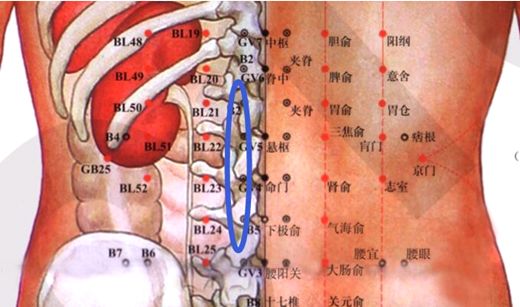
现以不适部位分述治疗保健方法如下:
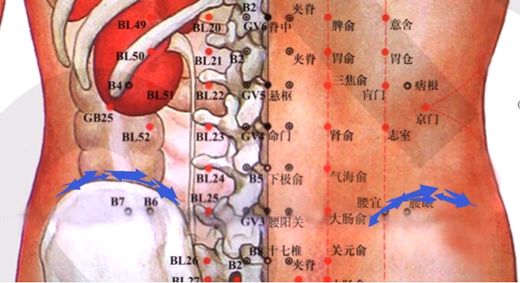
一、腰空挡部位不适
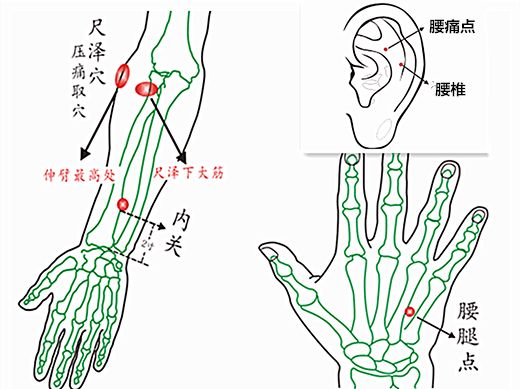
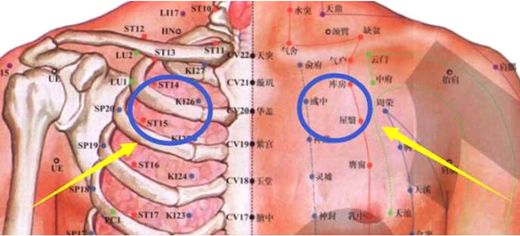
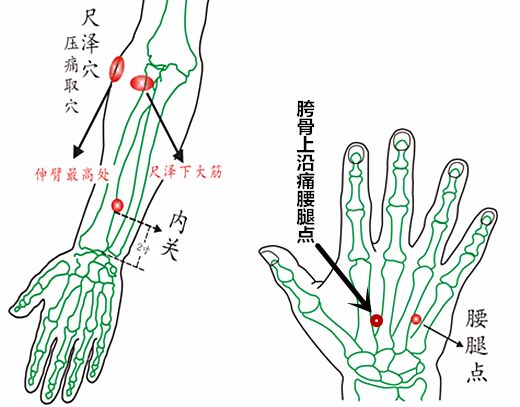
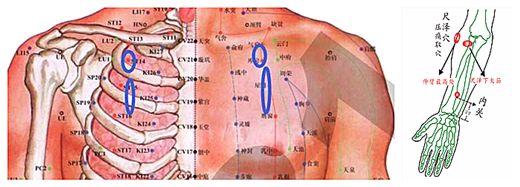
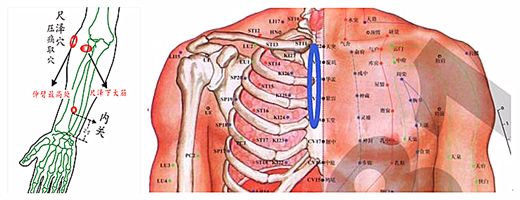
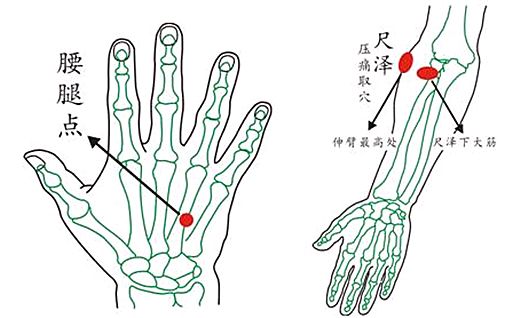
这种情况,运用尺泽部位痛点,腰腿点,胸部交叉对应点,耳穴腰,自己就可以解决,按穴位时晃动腰部,效果更好。往往尺泽部位痛点,胸部交叉对应点,躺被窝里就治好了。
二、胯骨上沿不适
这个比较简单,尺泽部位痛点、腰腿点即可,立竿见影,不过是运用手部另一个腰腿点,这个点压痛,就知道是胯骨上沿不适。
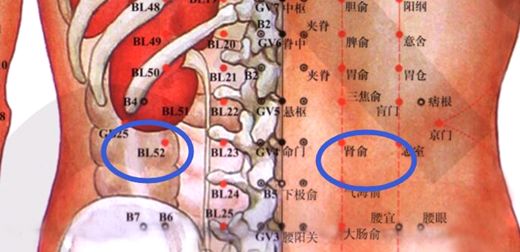
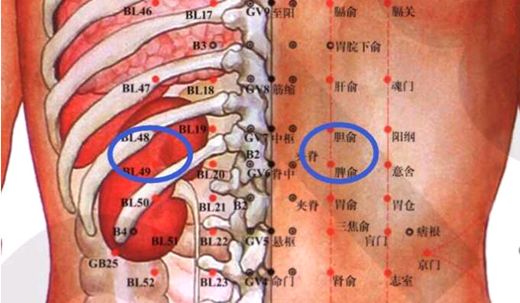
三、肝胆脾胃俞部位不适
这种情况一般是胃部吹了凉风导致不适,到现在我已治了八例这样的患者,记得有次到上海,一位患者这部位疼了三年,也治了三年,我认定她是脾胃受凉所致,运用x形法,在胸部胃经区域找到痛点按揉,嘱患者深呼吸,十几秒时间,疼痛消失。加尺泽部位痛点当然更好。
四、脊正中不适
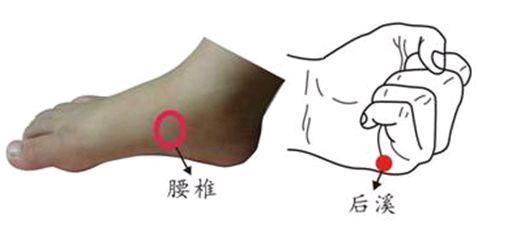
这个是督脉部位的问题,按尺泽部位痛点、胸前任脉痛点、后溪、足反射区腰。
这些是比较单纯的腰部不适的治疗。
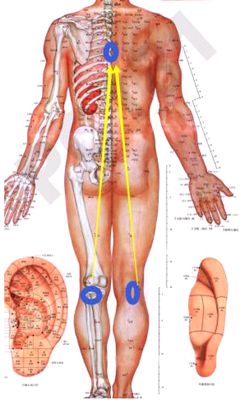
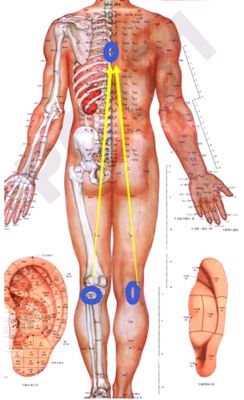
如果因腰痛,波及到臀部,下肢。则处理稍显复杂,但上面的方法也可使用,复杂的运用压委中拍至阳的方法,不过这需两人操作,一人压委中,一人空心掌拍至阳,拍5-8分钟,在这过程中,让患者晃动屁股。如果晃动肩颈则治肩颈不适。此法非常神奇,倾囊传出,与大众有利,我心安然。
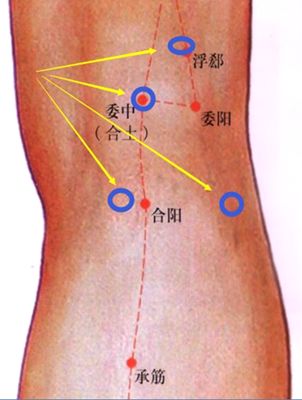
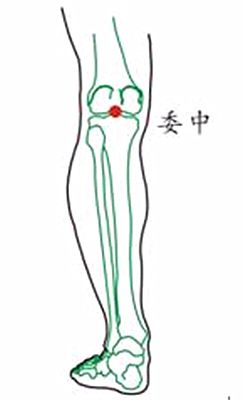
五、都说腰背委中求,如何求,那有讲究,周老说高升点,不压不痛,一压特痛是也。那如何在委中区域找痛点,根据我的经验,这个痛点有可能在这几个部位出现,你们也可以细心去找。
六、由于有些病人病程悠长,疏通一下相关部位就显得很有必要。
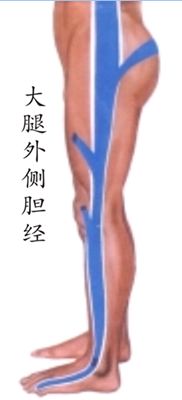
1,凡腰、肾、脊椎病(增生、腰突、肾炎等)病程长的要按揉推大腿外侧胆经,这样会好得快一些。
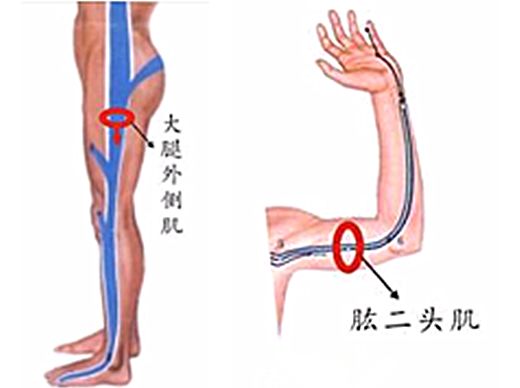
2、凡颈、腰、踝扭伤,大腿外侧肌、手臂肱二头肌要揉开。
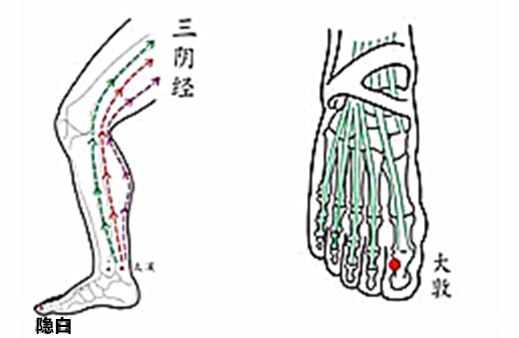
3、三阴经从太溪至腹股沟痛点揉开,大趾隐白、大敦找最痛点按压。
4、如果连带坐骨神经痛,则治法如下(这也就是治疗坐骨神经痛的方法):
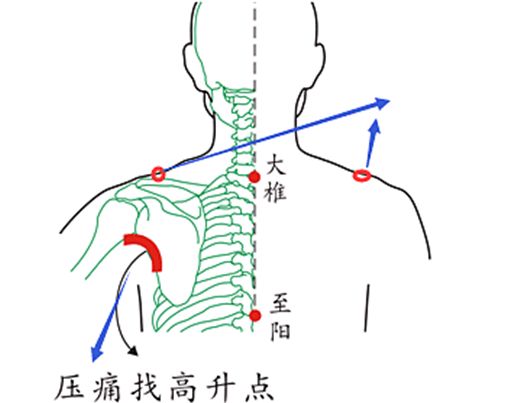
(1)在手臂与躯体交接部位和肩峰部找压痛点,按5-8分钟,自己治的话,可想办法抵住该痛点,如桌子的一角。
(2)尺泽部位压痛点与腰腿点同压3-5分钟,耳穴的坐骨神经穴按压2分钟。
尺泽视频:
(3)如果还没好彻底,则一人压委中,一人拍至阳穴(空掌拍),同时嘱患者活动腰部。这是我治十几例坐骨神经痛的按摩方法,效果——你试试就知道了。这个方法也治腰腿痛,耳穴则变为腰、腿穴。
压委中拍至阳视频:
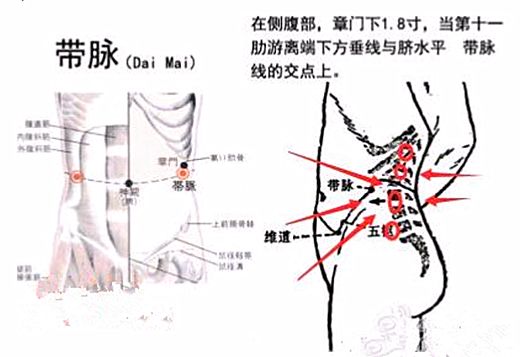
5、揪带脉,一定要揪到里面那根筋。
揪带脉视频:
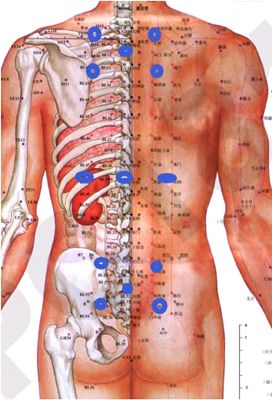
这是自我点穴治腰部疾病的简单办法。一般来说,腰部不适都与受凉有关,那么艾灸就显得很重要。只要灸肺俞区域,脾胃区域,八髎区域即可,配合上述点穴即可事半功倍,尤其那种病程久远的效果更为巩固。三孔,五孔灸盒。
正在治一椎管狭窄的,腰部总卡住不能动,十几年的病史,做一次后就没有出现卡的症状,五次全部症状消失,并且睡眠质量提高。
艾灸的部位:
当然,治腰部不适的方法还有很多,这只是我经常使用的方法,也许我的运气比较好,效果令人满意。这些供大家参考。
附:其它方法
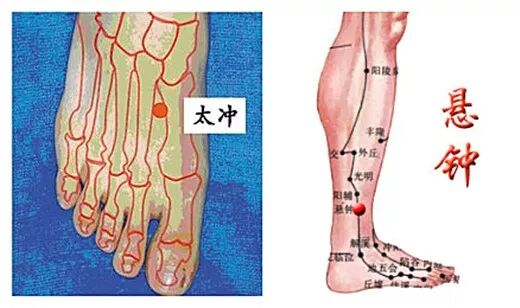
(1)太冲、绝骨(即悬钟穴)同压治腰。
(2)腰椎盘突出复位反射点:耳穴皮质下,安全简单迅速。
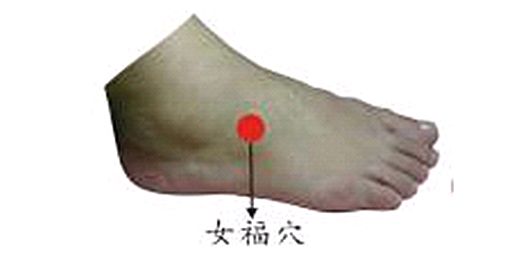
(3)脚治瘫穴(女福穴)。
(4)腰部疾病以委中刺血为最效。
(5)腰椎突出:膀胱经虚寒,膀胱与肾表里,其实是肾虚了。
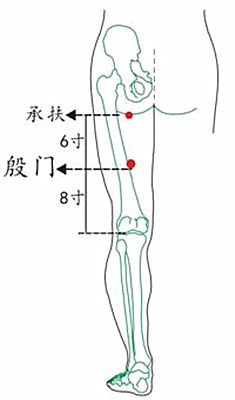
敲打殷门穴(大腿后正中)专门治腰背疼及腰椎间突出。这是治腰突的特殊穴。
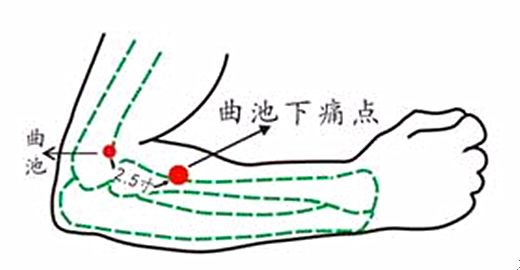
(6)曲池穴下2.5寸许压痛治腰痛、肾结石、输尿管结石、带状疱疹(腰部)。
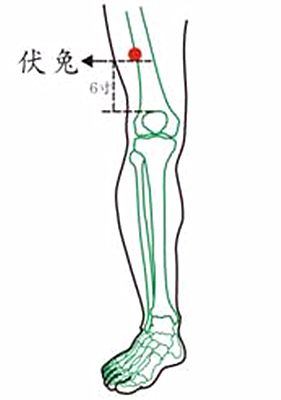
(7)伏兔治腰胯痛。
(根据宣宾老师讲课资料编辑整理)
 声明:本公众号不推荐任何医生,所有调病方法、方子和观点仅供有缘者参考,如果调治过程中出现偏差,概不负责。
Conditioning for Various Types of Lower Back Disorders
Xuan Bin
For lower back disorders, do not get hung up on terms like hyperplasia, herniation, spinal stenosis, spondylolisthesis, or syringomyelia; simply view them as a deficiency of qi and blood, stasis, and discomfort caused by cold.
The treatment and health maintenance methods are described below according to the area of discomfort:
I.Discomfort in the "empty" area of the lower back
For this condition, you can resolve it yourself by using the tender points in the Chize area, the Yaotui point, the corresponding cross-points on the chest, and the ear point for the lower back. It is more effective to move your lower back while pressing these points. Often, the tender points in the Chize area and the corresponding cross-points on the chest can be treated while lying in bed.
II.Discomfort along the upper edge of the hip bone
This is relatively simple; the tender points in the Chize area and the Yaotui point are sufficient and provide immediate results. However, you use another Yaotui point on the hand; if this point is tender, you know the discomfort is along the upper edge of the hip bone.
III.Discomfort in the areas of Ganshu, Danshu, Pishu, and Weishu
This condition is generally caused by the stomach being exposed to cold. To date, I have treated eight such patients. I remember once in Shanghai, a patient had pain in this area for three years and had been treated for three years. I determined it was caused by cold in the spleen and stomach. Using the X-pattern method, I found and massaged the tender points in the Stomach meridian area of the chest, instructed the patient to breathe deeply, and the pain disappeared in a dozen seconds. Adding the tender points in the Chize area is, of course, even better.
IV.Discomfort in the center of the spine
This is a problem of the Du meridian. Press the tender points in the Chize area, the tender points on the Ren meridian on the chest, Houxi, and the foot reflex zone for the lower back.
These are treatments for relatively simple lower back discomfort.
If the lower back pain spreads to the buttocks and lower limbs, the treatment is slightly more complex, but the methods above can still be used. For complex cases, use the method of pressing Weizhong and patting Zhiyang. This requires two people: one to press Weizhong and the other to pat Zhiyang with a cupped palm for 5–8 minutes. During this process, have the patient wiggle their buttocks. If they wiggle their shoulders and neck, it treats shoulder and neck discomfort. This method is truly miraculous; I am sharing it freely for the benefit of the public, and my heart is at peace.
V. It is often said that for lower back and back pain, seek the Weizhong point. How to "seek" it has its nuances. Master Zhou says to look for the "high-rising" point—it is not painful unless pressed, but extremely painful when pressed. Based on my experience, this tender point may appear in several locations, and you can search for it carefully.
VI. Because some patients have had their condition for a long time, it is necessary to dredge the relevant areas.
1. For long-term cases of lower back, kidney, or spinal disease (hyperplasia, lumbar disc herniation, nephritis, etc.), massage and push along the Gallbladder meridian on the outer thigh to speed up recovery.
2. For sprains of the neck, lower back, or ankle, the muscles on the outer thigh and the biceps of the arm must be massaged until loose.
3. Massage the tender points of the three Yin meridians from Taixi to the groin, and press the most tender points on the Yinbai and Dadun points of the big toe.
4. If accompanied by sciatica, the treatment is as follows (this is also the method for treating sciatica):
(1) Find tender points at the junction of the arm and torso and at the acromion, and press for 5–8 minutes. If treating yourself, find a way to brace against the tender point, such as using the corner of a table.
(2) Press the tender points in the Chize area and the Yaotui point simultaneously for 3–5 minutes, and press the ear point for the sciatic nerve for 2 minutes.
Chize video:
Special point video for treating sciatica:(3) If it is not completely resolved, have one person press Weizhong and another pat the Zhiyang point (with a cupped palm) while instructing the patient to move their lower back. This is the massage method I have used to treat over a dozen cases of sciatica; the effect—you will know once you try it. This method also treats lower back and leg pain; for that, the ear points change to the lower back and leg points.
Weizhong pressing and Zhiyang patting video:
5. Pinch the Daimai (Girdle vessel); you must pinch the tendon deep inside.
Daimai pinching video:
This is a simple method for self-acupressure to treat lower back diseases. Generally, lower back discomfort is related to cold, so moxibustion is very important. Simply moxibust the Feishu area, the spleen/stomach area, and the Baliao area. Combining this with the aforementioned acupressure will yield twice the result with half the effort, especially for long-term conditions where the effect will be more consolidated. Use three-hole or five-hole moxibustion boxes.
I am currently treating a case of spinal stenosis; the lower back was always stuck and could not move, with a 10-year history. After one session, the "stuck" symptoms did not reappear, and after five sessions, all symptoms disappeared, and sleep quality improved.
Moxibustion areas:
Of course, there are many other methods to treat lower back discomfort. These are just the ones I use frequently. Perhaps I am just lucky, but the results are satisfactory. These are for your reference.
Appendix:Other methods
(1) Simultaneous pressure on Taichong and Juegu (i.e., Xuanzhong) treats the lower back.
(2) Reflex point for lumbar disc herniation reduction: ear point for the subcortex; safe, simple, and rapid.
(3) Foot point for treating paralysis (Nvfu point).
(4) Bloodletting at Weizhong is the most effective for lower back diseases.
(5) Lumbar disc herniation: Bladder meridian deficiency-cold; the bladder and kidney are interior-exteriorly related, so it is actually kidney deficiency.
Tapping the Yinmen point (center of the back of the thigh) specifically treats lower back pain and lumbar disc herniation. This is a special point for treating lumbar disc herniation.
(6) Pressing the tender point about 2.5 cun below Quchi treats lower back pain, kidney stones, ureteral stones, and shingles (in the lower back area).
(7) Futu treats lower back and hip pain.
(Edited and organized based on lecture materials from Teacher Xuan Bin)
Disclaimer: This official account does not recommend any specific doctor. All methods, formulas, and viewpoints for conditioning are for the reference of those who are fated. We are not responsible for any deviations that occur during the treatment process.